AMCNH Conservation Corner: The Story of the American Chestnut – by Laurie Schive
March 7, 2026
Posted in
Laurie Schive is a three-season hike leader and Chair of the Chapter’s Conservation and Education Committee. She recently retired from her third career to focus more time on hiking and preserving New Hampshire’s amazing trails and forests.
When hiking through my local forests in the Lake Sunapee region, I sometimes listen to podcasts about—you guessed it–hiking. One of my favorite podcasts is the (sadly now concluded) Green Tunnel, a series on the history of the Appalachian Trail from the Roy Rosenzweig Center for History and New Media at George Mason University. This past fall, I laced up my boots for a tromp through the Guile Forest and picked out an episode from The Green Tunnel podcast called “The Perfect Tree”. It was a tale of the disappearance of the American Chestnut from the Appalachian forests, and it literally brought me to tears.
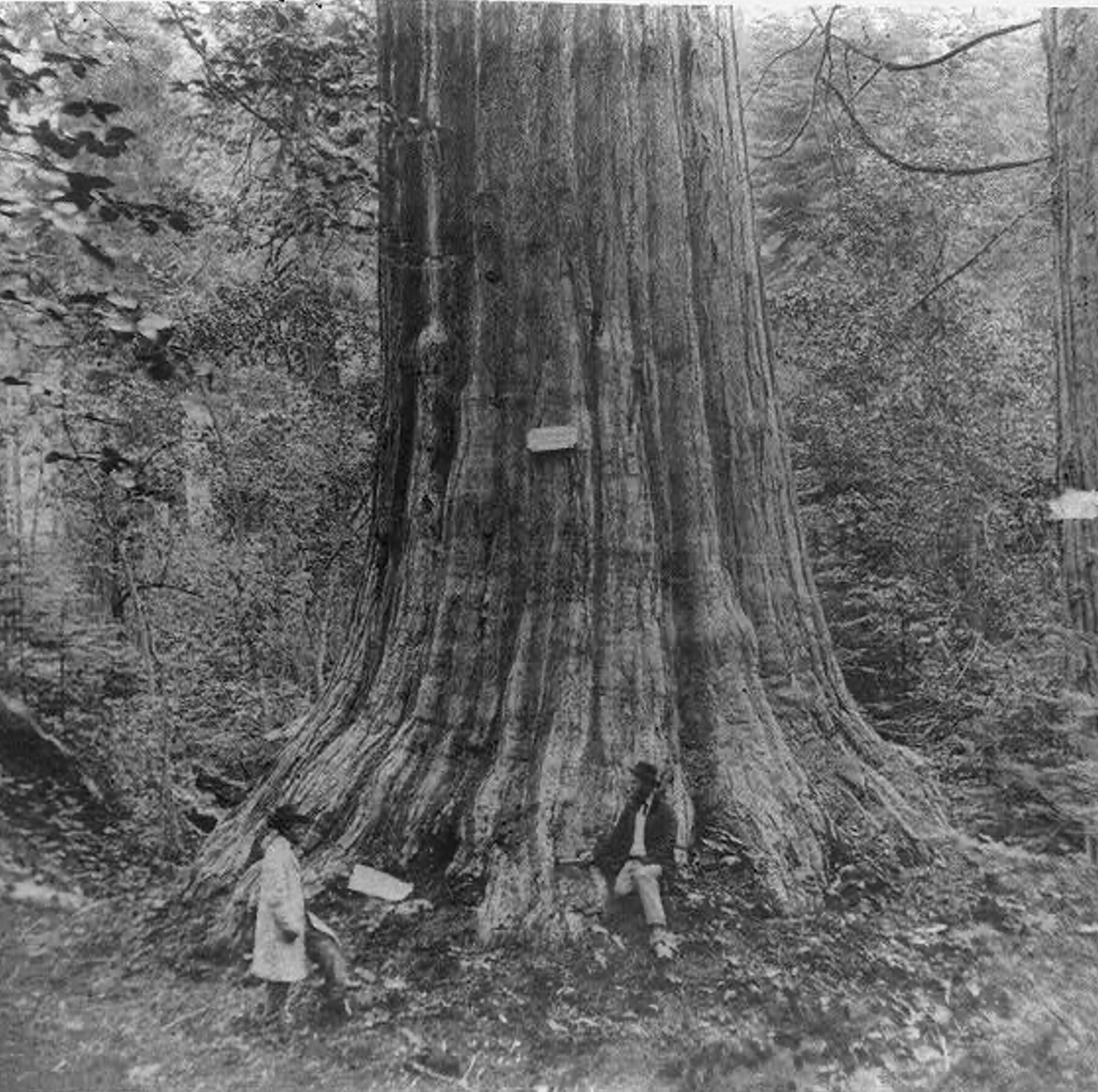
Many of you know the story of the American Chestnut, which once comprised 25% of Southern and Central New Hampshire forests. These trees were long-lived and grew to 100 feet tall with trunks over 10 feet in diameter. It was prized by indigenous tribes and colonial settlers for its rot-resistant wood and abundant supply of edible chestnuts. Sadly, starting in 1904 American Chestnut trees started dying off, unable to defend against cryphinectria parasitica, or chestnut blight, a fungus that arrived in the States via imported Japanese chestnut trees. The blight was airborne and moved at a rate of 50 miles per year, killing three and four billion trees by the 1950s, making the American Chestnut functionally extinct in the Appalachian Mountains.
That’s the bad news.
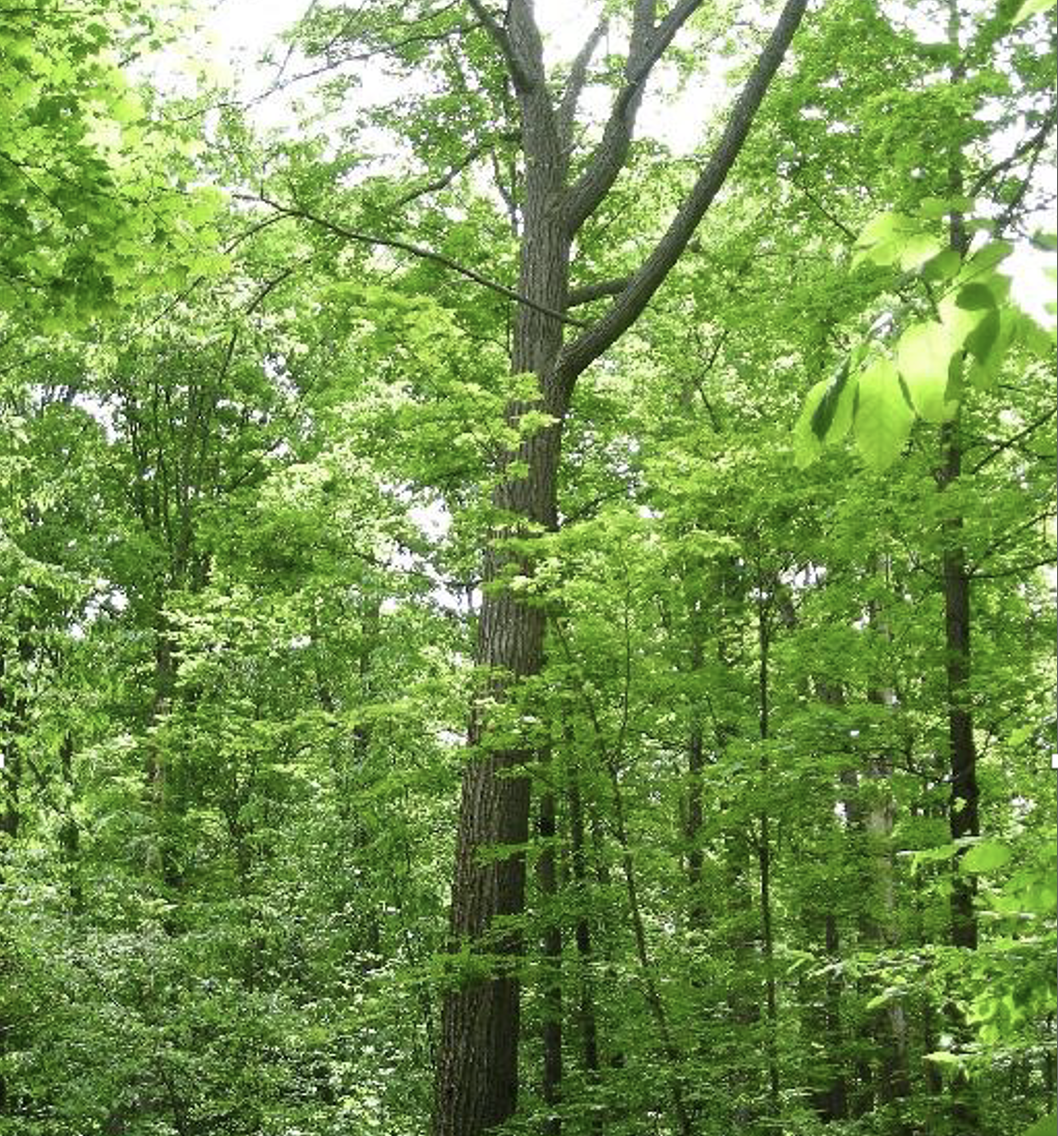
The good news is that the American Chestnut isn’t completely extinct. The fungus doesn’t attack the tree’s root ball, so chestnut trees routinely sprout in the wild from centuries-old stumps, growing to six feet or more, which is generally when the fungus finds them and they die off. There are both wild chestnut trees and examples of century-old chestnut logs used by the Shakers to build sluices at the Smith Pond Shaker Conservation Area in Enfield NH, managed by the Upper Valley Land Trust (UVLT). I even found a small, stump-sprouting wild chestnut along my Guile Forest hiking trail.
Universities, land trusts and conservation commissions in our state are also working to reintroduce blight-resistant American Chestnuts. The University of New Hampshire’s Kingman Research Farm has a one-acre plot of 170 potentially blight-resistant chestnut trees planted in 2016. In my local area alone, UVLT, the Grantham Conservation Commission and the New London Conservation Commission have all grown chestnut seedlings and planted them on conserved land.
If you want to search for wild American Chestnuts on your next hike, The American Chestnut Foundation has a great instructional video showing you how to use iNaturalist and AllTrails to find specimens on hiking trails.
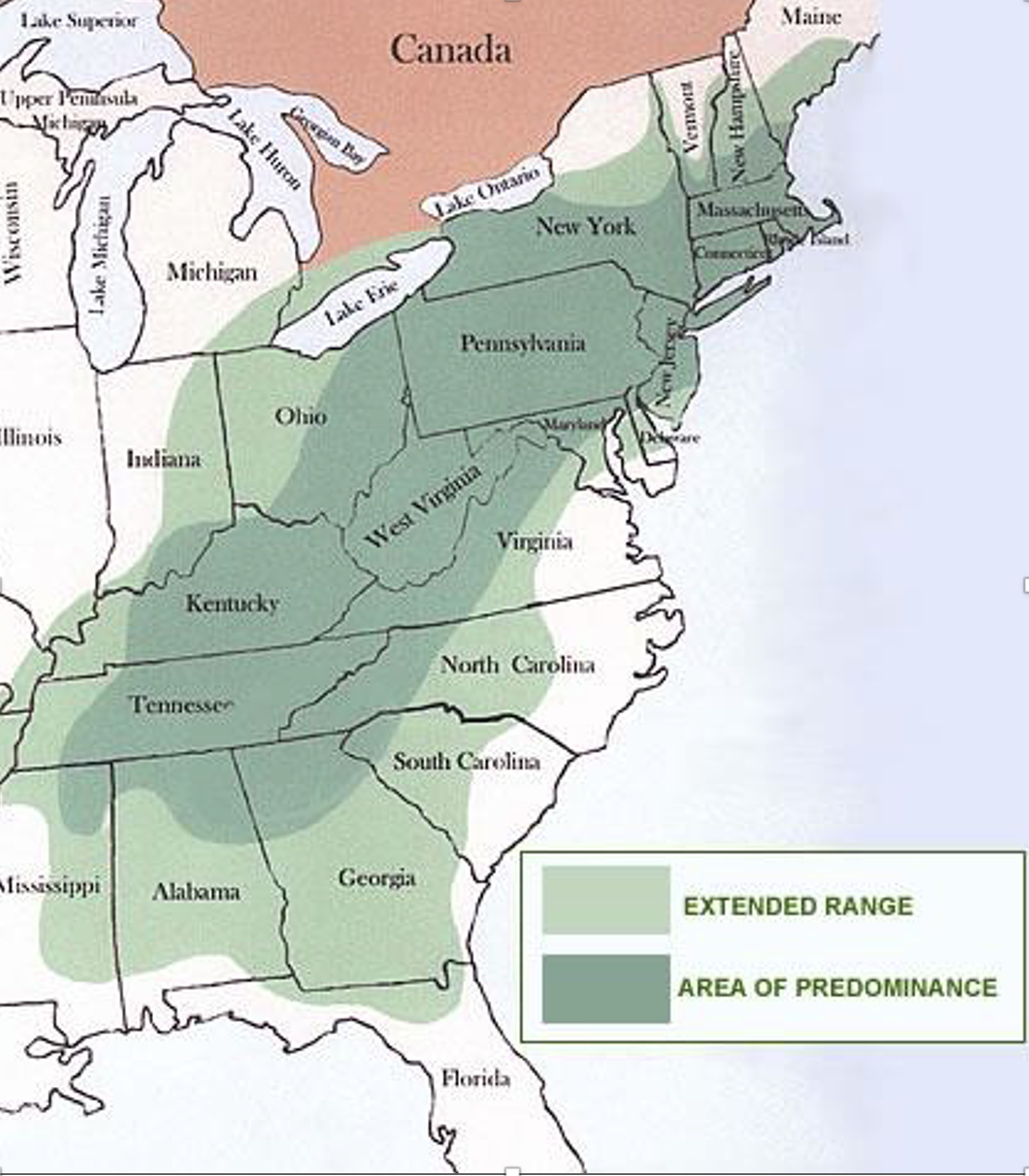
The historic extent of the American Chestnut throughout the Appalachian Mountain Range.
Conservation in Action
I’ve been thinking quite a lot about trees, forests, rivers and wildlife in the two months since I volunteered to chair the Conservation and Education Committee of our AMC Chapter. AMC’s mission is to foster the protection, enjoyment and understanding of the outdoors. Let’s face it, most of us joined the AMC because of the enjoyment part—hiking, backpacking, climbing, kayaking. But as a community, we value and want to preserve the those places we love. To promote conservation in New Hampshire, here are some things our Chapter members can do:
- Sign up for hiking adventures that showcase our state’s natural history and ecology. This spring, I’ll be posting ecology-focused New Hampshire hikes on the Outdoors Connector. One of the first hikes will be to the Smith Pond Shaker Conservation Area to see those wild chestnut trees in person.
- Learn trail skills and participate in trail work opportunities. If you’re interested in learning all about trail repair and maintenance, sign up for the Trail Skills course at AMCNH’s Spring School from 24 to 26 April. There are also still spots available at the Women+ Work Party Weekend at Camp Dodge
- Share stories about how the AMC is supporting climate science and advocating for the outdoors. The simplest way to do this is to sign up for the AMC’s Conservation Action Network (CAN) to stay informed about proposed government actions impacting our forests and speak up for state and federal funding for the outdoors.
I’m here to help anyone who wants to learn how to get more involved in any of the above. Right now, I’m a committee of one…but I’d love some company. Got an idea for a conservation hike or activity? Want to help with our chapter’s conservation and education committee? Email me at .