Wait, what is the name of that? – by Lynn Fisher
April 19, 2026
Posted in
Tagged
Lynn Fisher edits the Trip Reports for the AMC-NH Ski Committee. She volunteers as a Naturalist for the AMC and maintains section 11B of Vermont’s Catamount backcountry ski trail.
A ski buddy from Franconia once called me out for referring to Cannon’s “Front Five” ski trails. He said the use of that name is a sure way to tell if someone isn’t local, as it’s a relatively recent name invention by the area’s promoters. And, locals are annoyed by the marketing effort.
Guilty as charged.
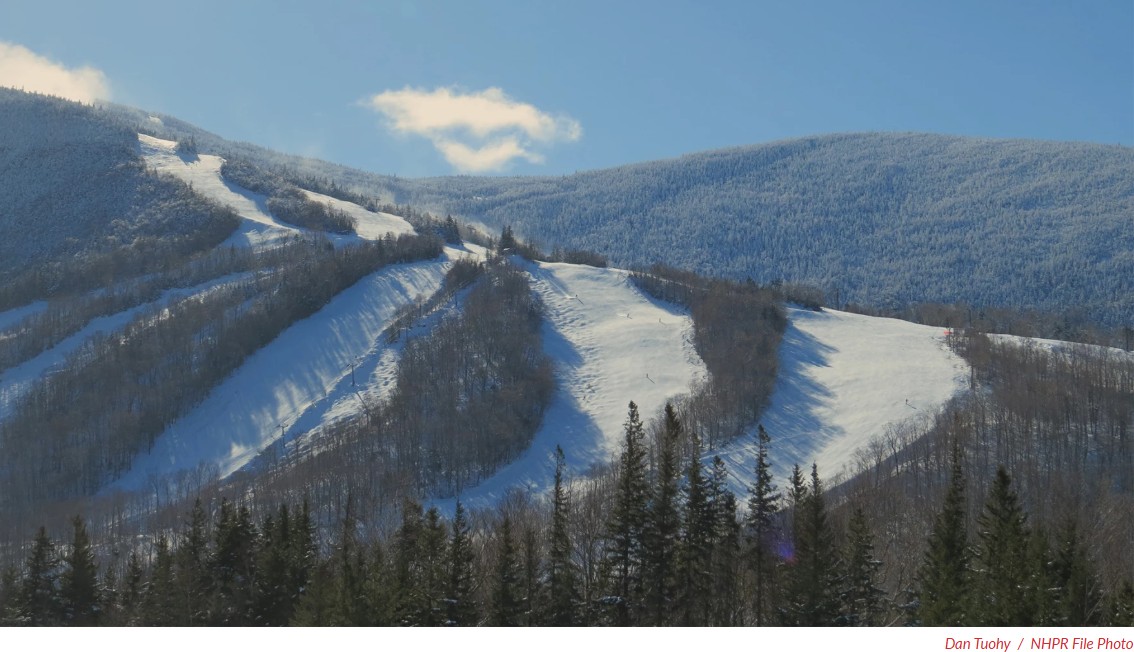
NHPR labelled this image “Cannon’s Front Five” in a June 2024 article. At least I’m not alone in my gauche outsiderness. My Franconia native friend refers to this area by the ironically-named “Zoomer” lift that serves it.
This doesn’t matter much to me. But, there are times when pronouncing or using the correct place name can make a difference in how one’s message is received. At the very least, it’s entertaining to discuss and research the variety of pet peeves and disagreements.
What follows are seven worthy situations to consider. The goal is to possibly reconcile some disputes and to learn some things, all while keeping in mind that we’re fortunate to enjoy these places. They have existed long before a bunch of humans put labels on them.
Tongue firmly in cheek:
Case Study 1: A Big One
MOOSE-I-LOCK-EE or MOOSE-I-LOCK?
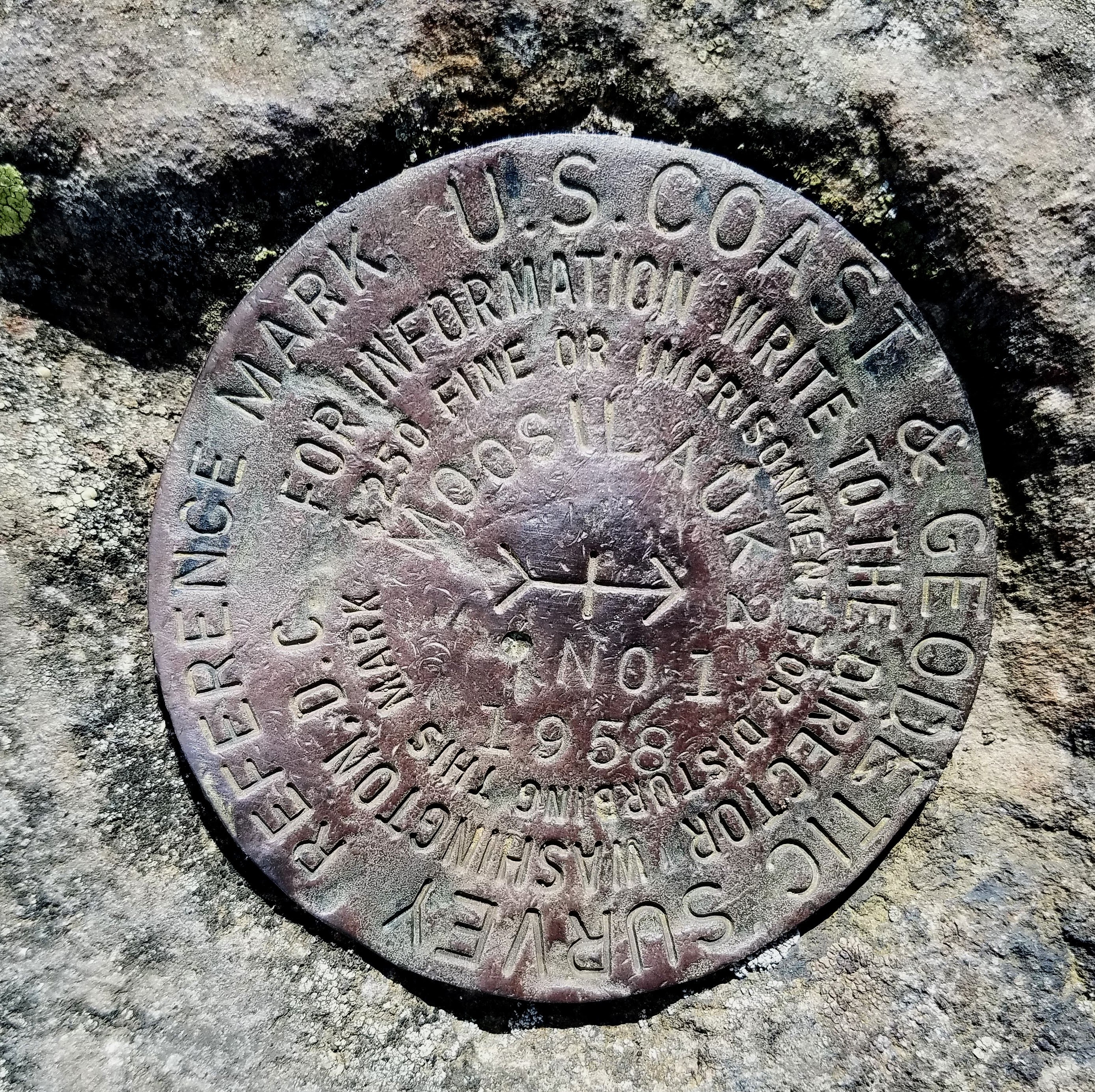
While the US Board on Geographic Names definitively spells it “Moosilauke,” the 1958 summit marker leaves off the final “e”.
I’ve lived in the Upper Valley of New Hampshire and Vermont for my entire adult life. Here in the neighborhood, we use just three syllables to refer to our local 4802′ tall, 10th highest mountain in New Hampshire.
An article in the December 1940 Appalachia by Frederick Kilbourne gives some history: “Moosilauke: The Story of a Mountain” traces a record of the published spelling. Here’s a summary:
| Date | Publication | Spelling | # syllables |
| 1755 | Mass Colonial Record | Mooselauk | 3 |
| 1784 | Topo Map of the State of NH | Mooselock | 3 |
| 1816 | Philip Carrigain Map | Moosehillock | 3 |
| 1817 | Merrilll’s Gazetteer | Mooshelock | 3 |
| 1823 | Farmer & Moore’s Gazetteer | Mooshelock | 3 |
| 1852 | Farmer’s Monthly Visitor | Moosilauke | ? |
Kilbourne finishes this 1940 discussion by stating: “The currently accepted spelling and pronunciation is Moosilauke, with the final e silent.”
Moosilauke Ravine Lodge crew weigh in on how they say “Moosilauke”.
Much earlier, before European colonizers, the Indigenous New Hampshire Collaborative Collective’s Story Map indicates that the mountain was known “Mozalhlakik” – which might mean “cow-moose land.”
The appearance in 1816 of “Moose-hillock” seems to be a joke, as “hillock” means “mound or small hill.” This appears to be meant in the same ironic spirit as the name of Cannon’s “Zoomer” lift.
Similarly light-hearted, the mountain is locally and occasionally nicknamed “Moosilaukee.” This is similar to how your buddy Bob might be called Bobby. There is at least one Dartmouth poem (or song) in which this pronunciation is needed for rhyming and meter purposes.
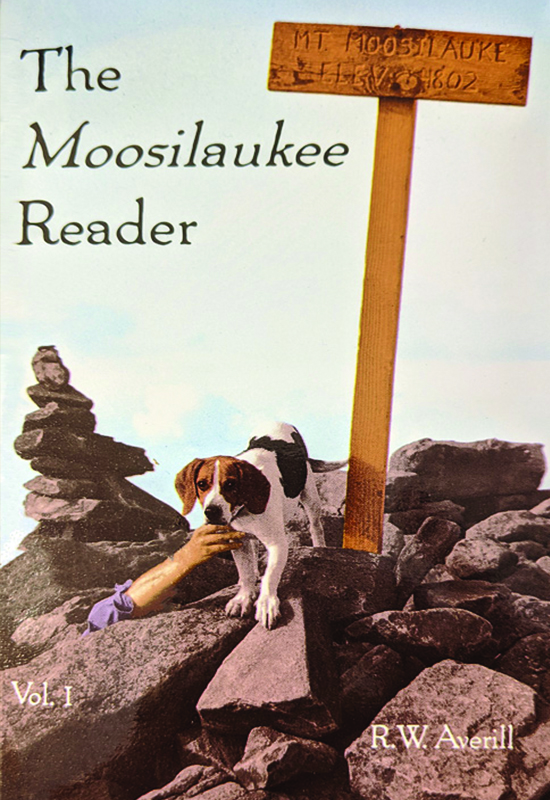
A good example (with great reading) of this affectionate nickname is White Mountain author R. W. Averill’s The Moosilaukee Reader, featuring “Moosilaukee Jack Beagle.” If I had a mountain climbing Beagle I’d name it Moosilaukee Jack, too.
Nicknaming aside, it’s difficult to understand how “Moose-i-lock-EE” becomes prevalent when leaving this area. In a sentiment quite like that of my Franconia-born friend, a Dartmouth buddy said “Anyone who seriously calls this mountain ‘Moosilaukee’ is clearly an outsider”.
Case Study 2: Lion, Tuckerman, and Lakes, Oh My
Lion Head or Lions Head?
Tuckerman Ravine or Tuckermans Ravine?
Lake of the Clouds or Lakes of the Clouds?
This is a relatively easy one to settle. The final authority, The US Board on Geographic Names, in addition to published maps and guidebooks, tells us that the glacial cirque on the east side of Mt. Washington is Tuckerman Ravine, the peak that overlooks it is Lion Head, and the AMC hut on the Crawford Path is Lakes of the Clouds.
Why? Well, the ravine is named in honor of Edward Tuckerman, a 19th century botanist. So it’s just “Tuckerman Ravine,” not the possessive “Tuckerman’s” – because it didn’t belong to Tuckerman. Note, however: The nickname “Tucks” is never frowned upon.
Lakes of the Clouds is plural because there are two. Easy.
Lion Head is so-named because it looks like a lion head. Kind of like Camel’s Hump in Vermont. But in New Hampshire there’s no apostrophe s. It’s just Lion Head. Because.
Mike Cherim of Redline Guiding in North Conway discusses the “s” with his guides so they use the proper form. Being detail-oriented is a great quality for mountain guide.
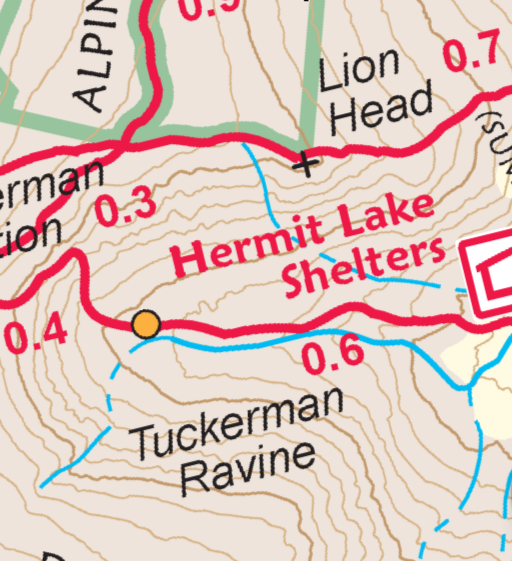
Lion Head. Tuckerman Ravine. No s’s here.
A final geek-out warning: I’ll include this paragraph to suggest the rabbit hole of confusion related to the “s” conundrum, wildly and inconsistently applied to names in the White Mountains. For example, on the north side of Mount Adams, Lowes Path is named for one of its builders, Charles Lowe, but unlike Lowe’s Store, the apostrophe does not appear on the trail name on official geographic data bases. Then, there’s Lows Bald Spot in Pinkham Notch which is named for a different, e-less Low, J. Herbert Low. Again the apostrophe is not part of the official name. And so on.
Case Study #3: The NH 48 are not a Saturday Morning Cartoon
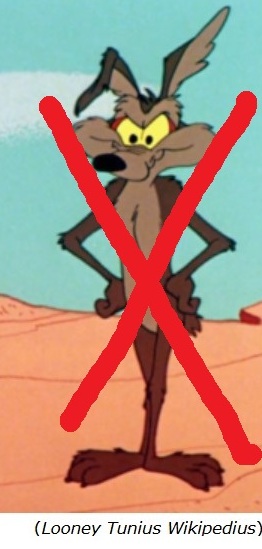
Mount Willey is the most remote of the three 4000′ peaks in the Willey Range. It’s not uncommon to hear a mis-pronouncation that makes it sound as if the mountain is named for the Road Runner’s Nemesis.
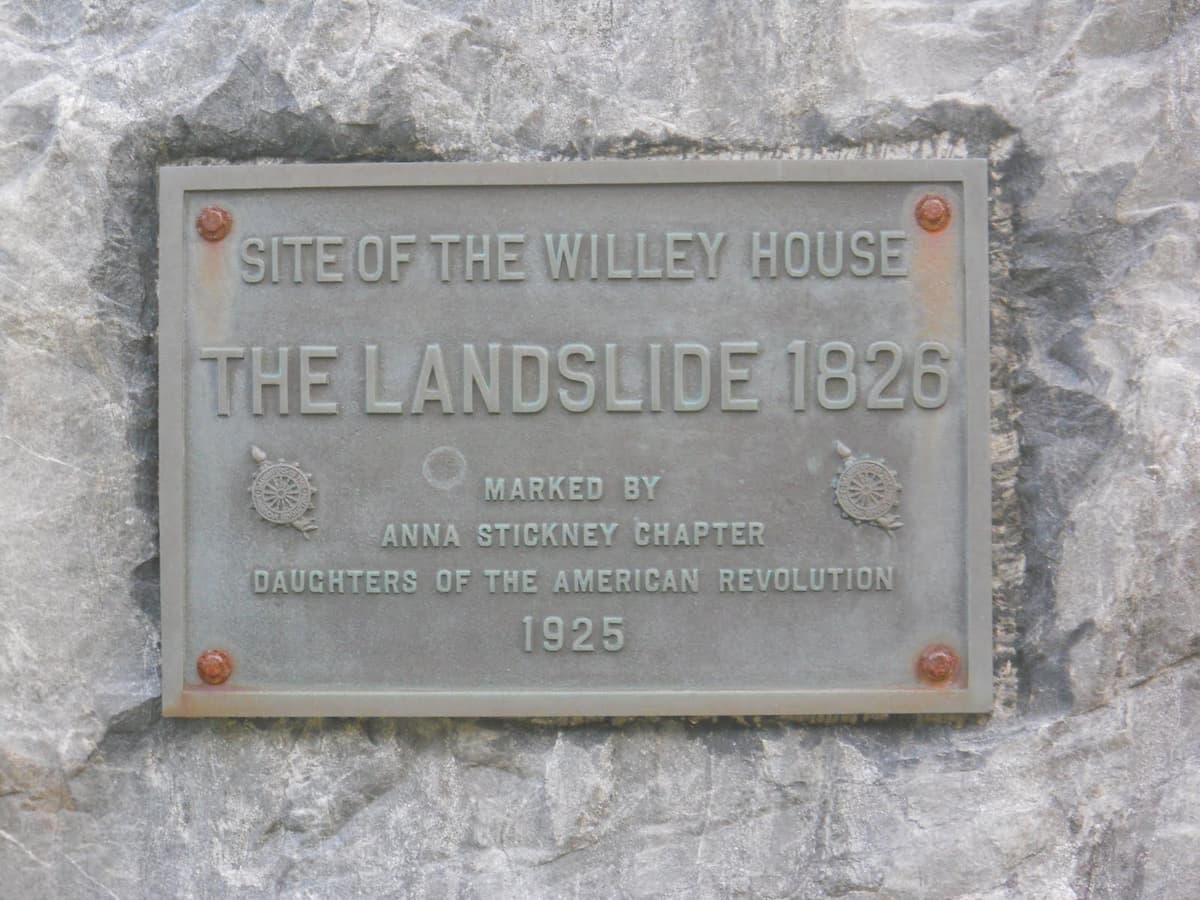
The mountain is named for the family of Samuel Willey, Jr. and Polly Lovejoy Willey who, with their five children, moved to a farmhouse in Crawford Notch in 1825. They improved the farmhouse and were hoping to attract tourists to this increasingly popular scenic area.
In June 1826 a severe rainstorm caused a large landslide near where the Willey’s house was situated. In response, the Willeys built a stone structure away from the farmhouse where they could take refuge in case of another such landslide. Exactly that happened – another massive landslide – just two months later, in August of 1826. It appears that the family had evacuated the house to reach the stone structure, but they were buried by the slide instead. Because of a rock outcropping above it, the house remained standing.
Today, the house site is open to the public as a historic interpretive site.
There’s nothing comic about this very sad story.
Steve Smith, author of numerous White Mountain books including co-editing the definitive AMC White Mountain Guide, often hangs out at The Mountain Wanderer Map and Book Store in Lincoln. Steve founded the store. On days when he’s there (call ahead or check social media) Steve answers any and all questions. He’s happy to help hikers learn how to say the names of of the places they’ve visited.
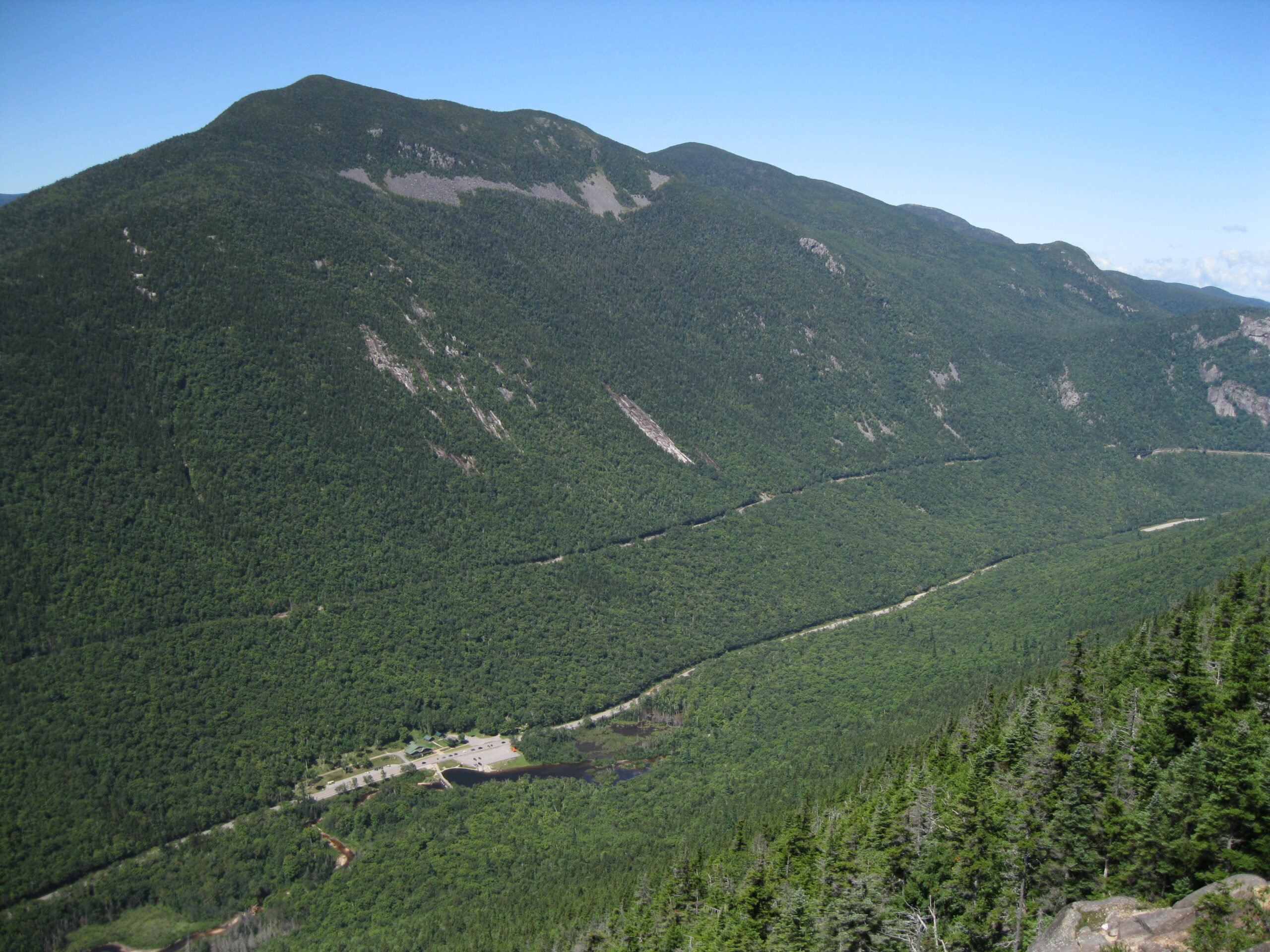
The Willey House site at the base of Mount Willey. Photo from “The 4000-Footers of the White Mountains” by Steven Smith and Mike Dickerman
Case Study #4: This one's a head scratcher
POH-tash or POT-ash Mountain?
Potash Mountain is one of the 52 With a View peaks. It’s a lovely shorter hike with views of the Presidentials, fine blueberrying, and fun ledges.
What’s not in dispute is how Potash Mountain got its name: Multiple sources explain that Potash Mountain is named for its resemblance to an “inverted potash kettle.” Such kettles were used to make potash, or potassium carbonate. Potash was extracted from wood ashes in the eponymous kettle.
Further undisputed: How an actual producer – or user – of potash would pronounce “potash”. For example:
Veritasium produces real nice science geek video content. If you happen to have potash and bacon fat here’s how to make soap with it. And, how to say “potash”.
Here’s where the trouble starts. Ask hikers what the name of the mountain is. If you’re in my neighborhood, the Upper Connecticut River Valley of Vermont and New Hampshire, you’ll hear the traditional “potash kettle” version. I surveyed a group of hiking friends while enjoying the summit of Mount Israel, which I’ll henceforth call the “Mount Israel Poll”.
I’ll call this the “Mount Israel Poll” because that’s where we were enjoying a sunny autumn afternoon, but the participants are from four different towns hugging the Connecticut River near Lebanon, NH & White River Junction, VT
On the other hand when you drive to the White Mountains – including the area nearest Potash Mountain – you’ll hear that long-O “POH-tash” widely used. That’s how it’s pronounced by all the venerables who assisted with other items in this article. When I asked, no one I spoke with knew where the “long-O” version came from. They heard it from someone else, adopted it, and so it’s spread.
Unlike Moosilauke where we can trace a written history and interview the stewards of the property, there’s no good way to resolve this one.
It might be something we’ll all continue to disagree on. Prospective partners should check for compatible “Potash Mountain” pronunciation before starting a relationship.
And we’ll all keep in mind that it is a beautiful place that’s been there long before we were.
#5: It may or may not be "Here Comes the Bride"
One one hand, The Old Bridle Path is for horses
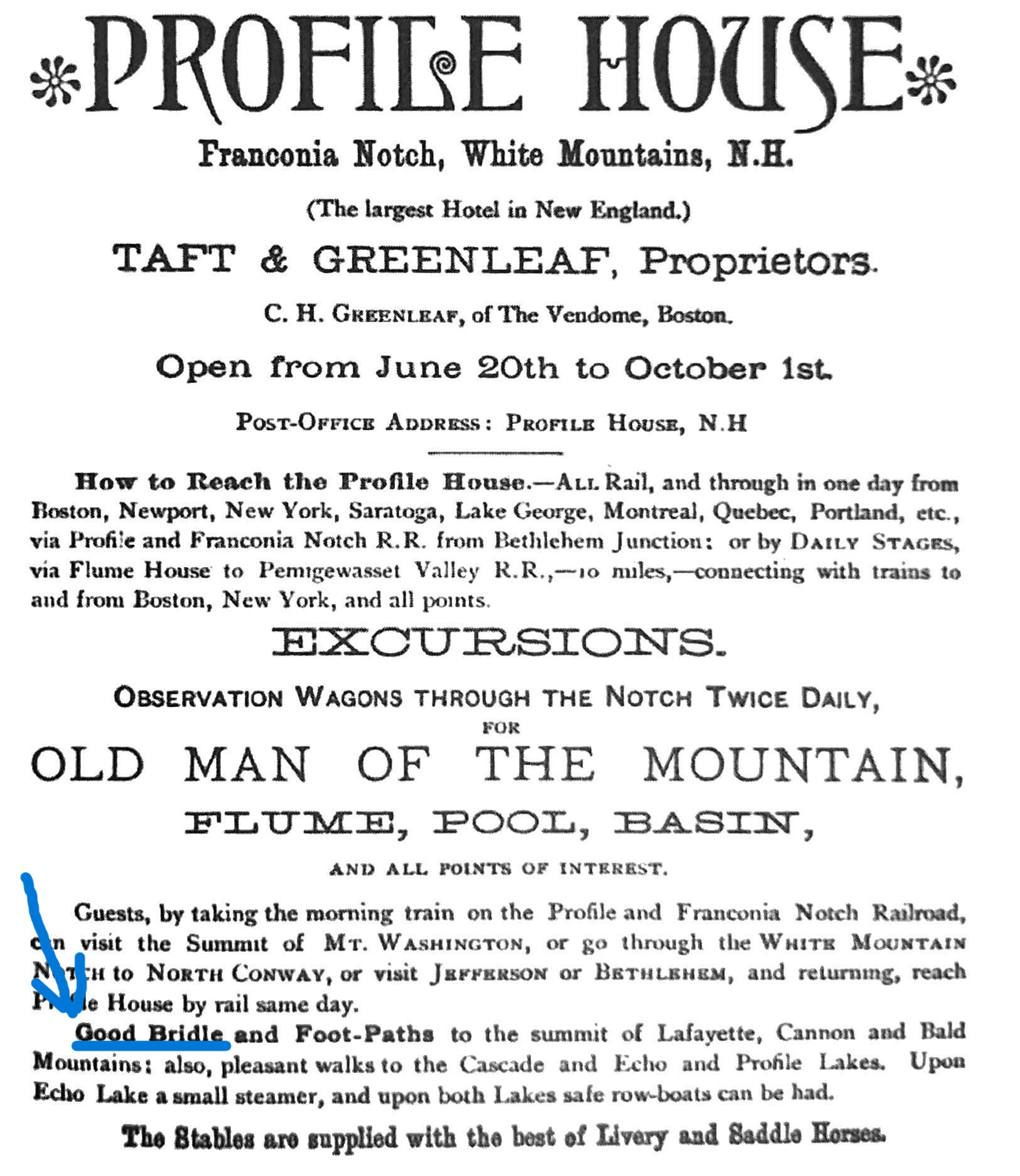
Summer tourism becomes a tremendous economic driver of trail construction in the 19th century. From Chisholm’s White Mountain Guide, 1880. Reprinted in The White Mountains,Names, Places & Legends by John T.B. Mudge, Durand Press Etna NH 1995
On the other hand, this waterfall will surely inspire you to hum Wagner
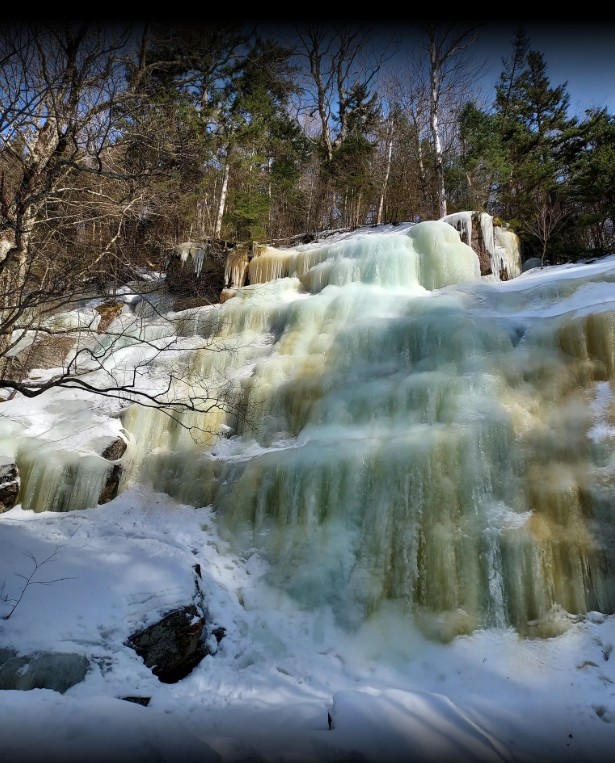
Bridal Veil Falls, Franconia
Click on 52 With a View Guidebook author Ken MacGray for a definitive clarification of these homophonic White Mountain desitnations.
#6: Bonjour! Arnold Guyot et le Chemin des Dames
We’ll look a couple of francophone-origin names that frequently trip up hikers.
Part 1: Guyot Campsite and Mount Guyot

Mount Guyot and Guyot Campsite
Arnold Guyot (hard G and long O: GEE-OH) was a Swiss-born scientist who published a map of the White Mountains in 1860. He studied geography throughout the United States. In addition to New Hampshire, there are peaks named for Guyot in New York, Utah, Colorado, and California. Also a crater on the moon.
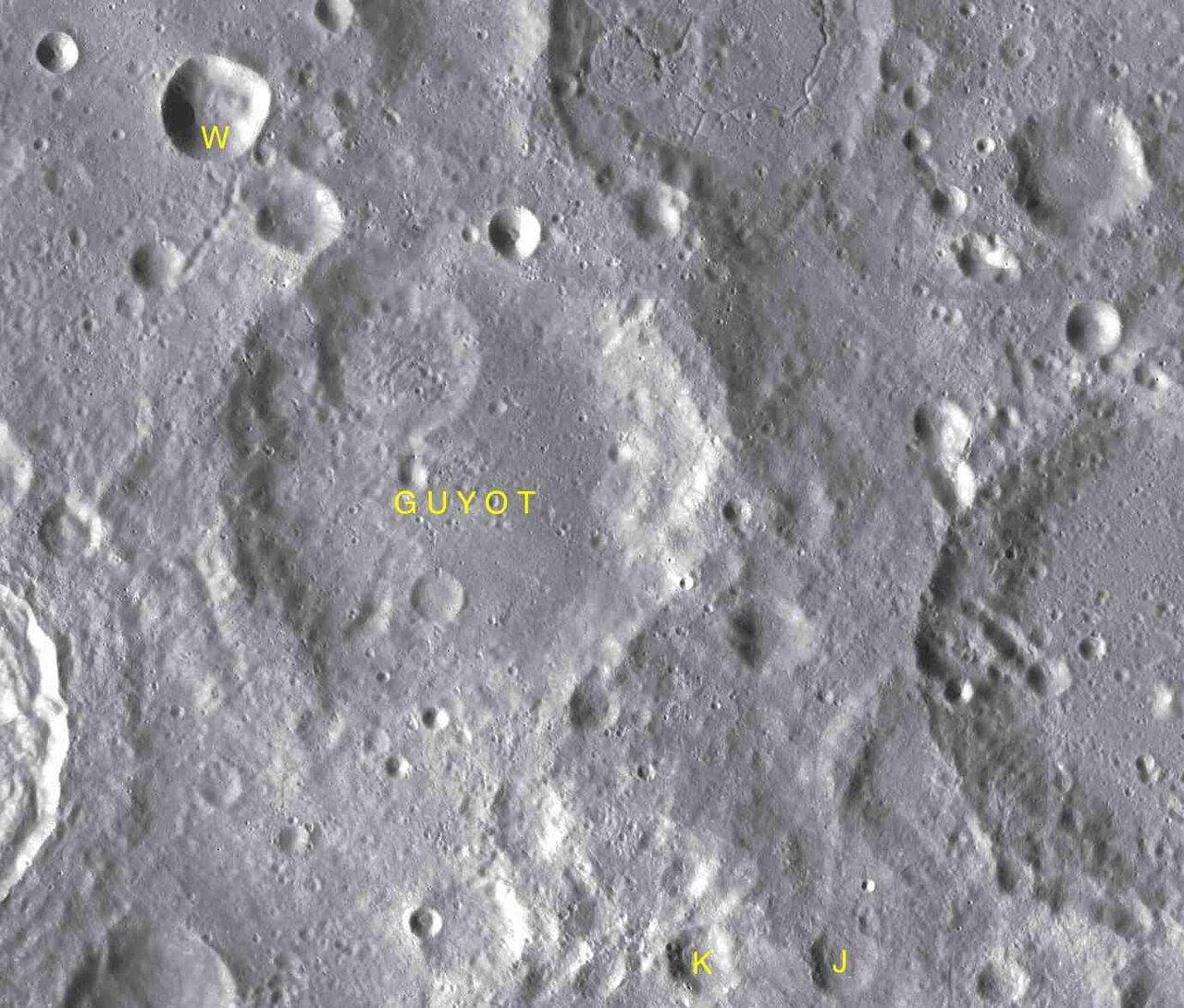
Guyot Crater. Thanks to Wikimedia Commons
Perhaps of greater local interest is that Arnold Guyot’s work proved that Mt. Washington is not the the highest peak east of the Mississippi.
Here’s how to say M. Guyot’s name (and the name of the mountain and the campsite) correctly:
The Mount Israel Poll participants, a Quebec relative, and the AI French Google voice demonstrate how to say – and not say – “Guyot”.
A word of caution: It’s not the rule that the “real” French pronunciation of a place name is well-received. A famous example from Vermont’s political history is when Tunbridge farmer and subject of the mocumentary “A Man with a Plan”, Fred Tuttle, challenged Massachusetts native Jack McMullin to pronounce the town named “Calais.” Anyone who’d been in Vermont for very long knows it’s “Callous”, but McMullin used his high school French and responded “Cal-LAY”. Thus he was doomed to fatal outsider status, losing the primary to Fred. There’s a link to information about this event, including a delightful recording of the actual debate, in the references at the end.
Part 2: Chemin des Dames
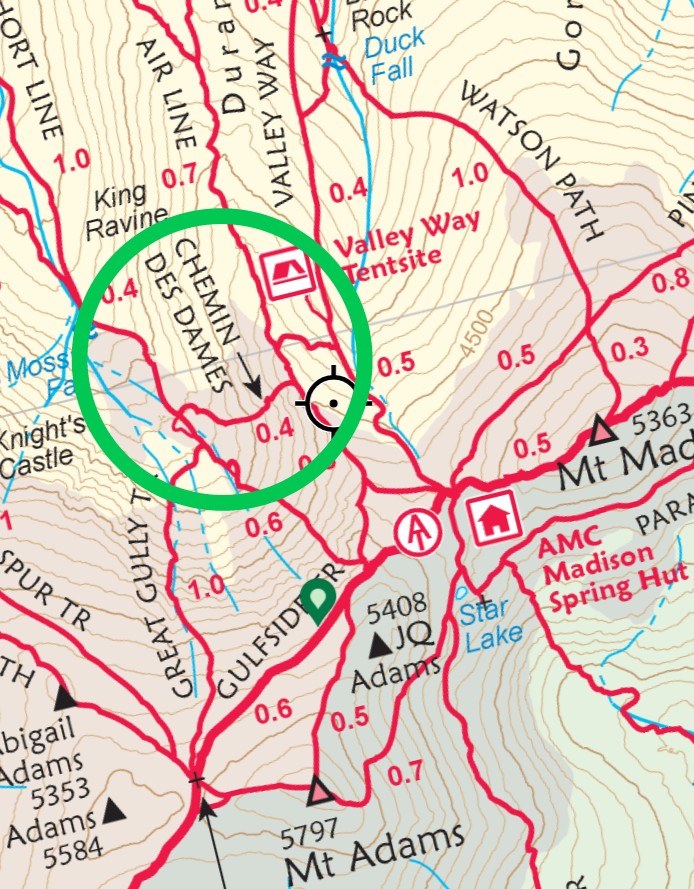
Chemin des Dames: A marginally less terrifying trail up out of King Ravine. But still terrifying. Offically so.
The Chemin des Dames Trail is one of the required trails on the New Hampshire Terrifying 25 List. It climbs steeply from the floor of King Ravine on the north side of Mount Adams, up to the Airline Trail (also found on the T25 list).
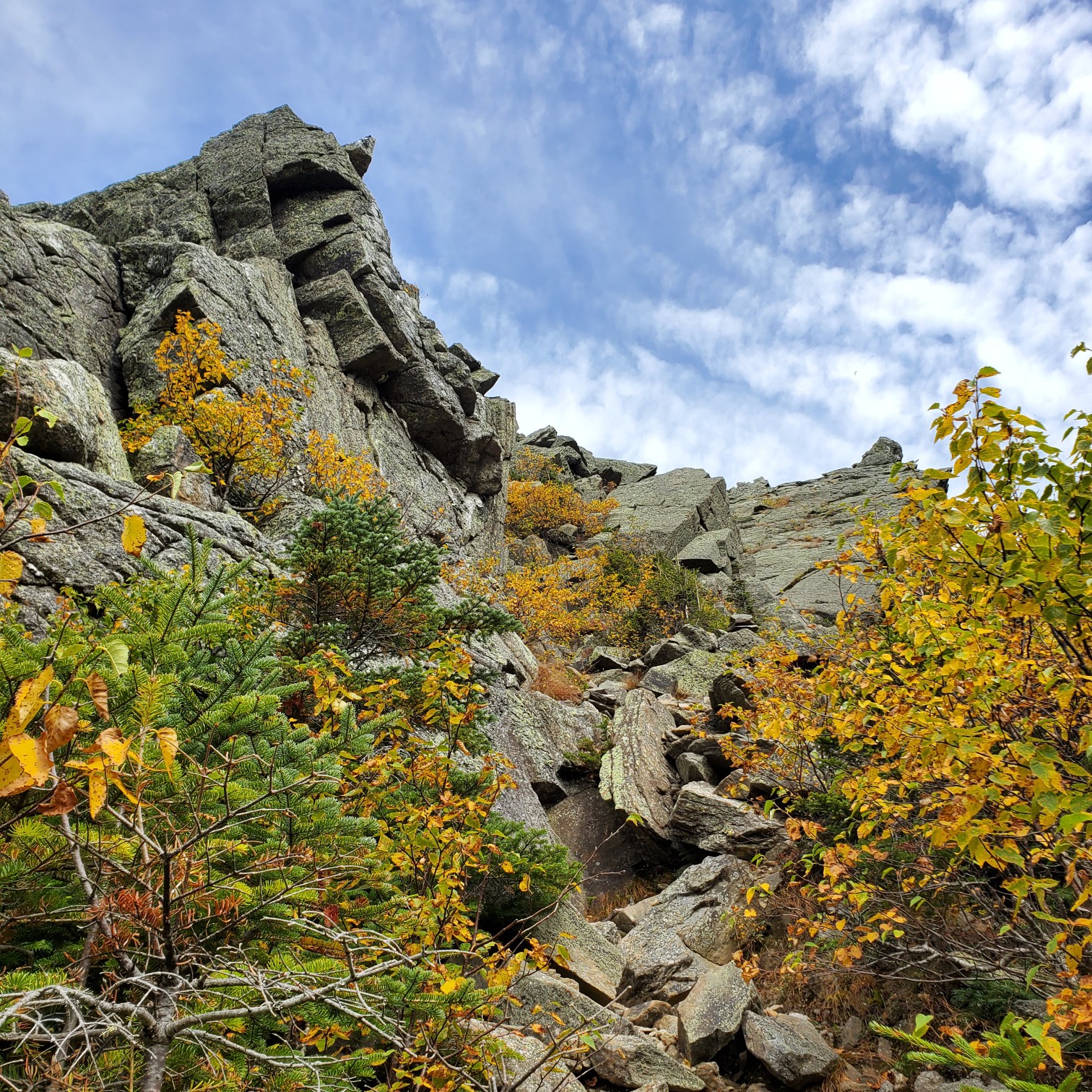
Chemin des Dames in September – Debbie Clough photo
Chemin des Dames (“Ladies Road”) in Aisnes, France, was named in the 18th century for the daughters of Louis XV. In World War I the road was the site of numerous battles and a mutiny, all massively deadly.
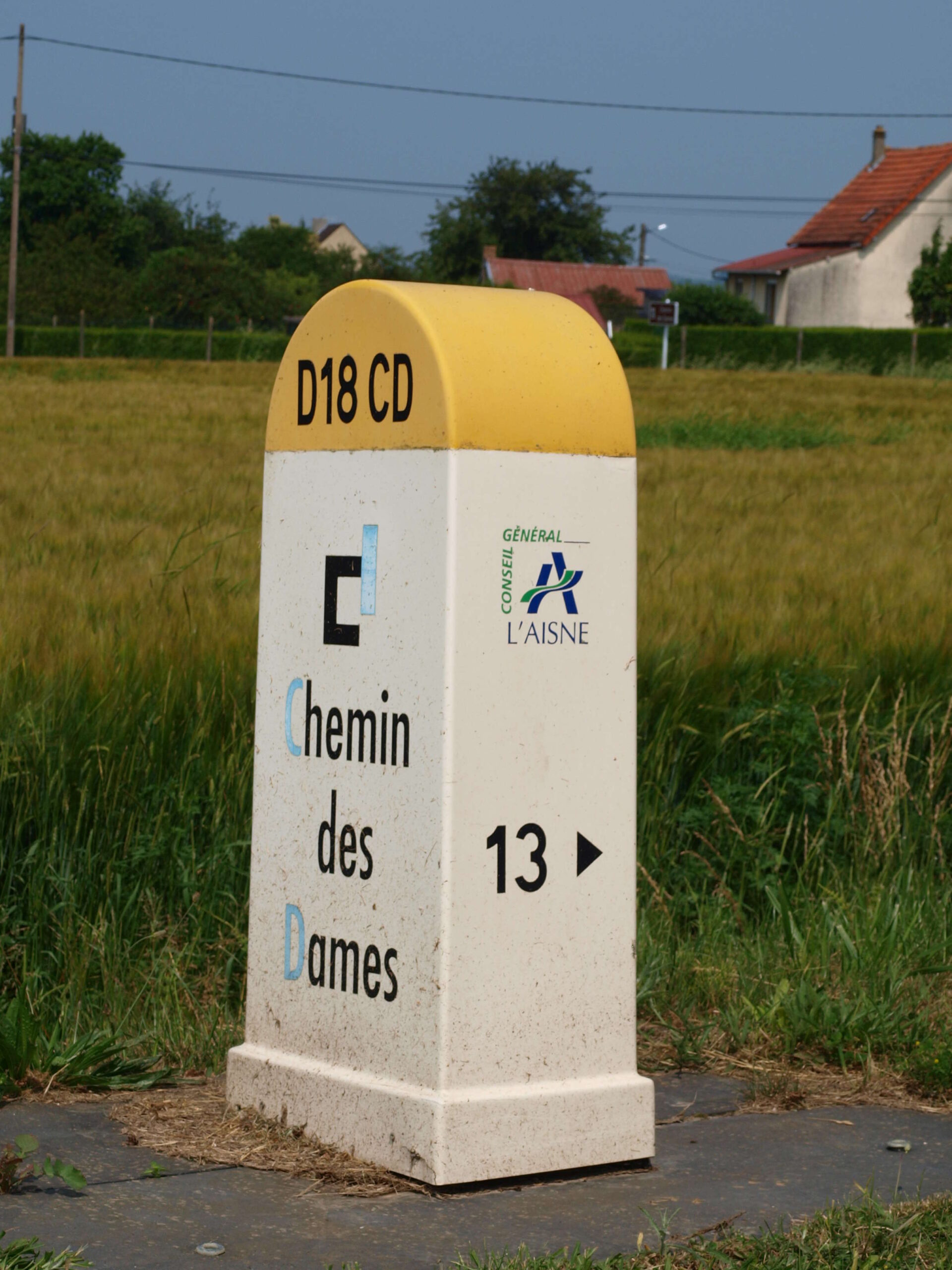
Trail designer H. M. Dadourian laid out this White Mountains trail in the 1920s. He likely meant Chemin des Dames as a double entendre. It is true that the trail is the least difficult (I don’t dare say “easiest”) connector with King Ravine and timberline – thus “Ladies Route.” But, it rises 800 feet in 0.4 miles. And, it is rough. In 1920, with World War I just concluded, the name Chemin des Dames drew to mind the horrible battles in France just a few years previous.
The point being that it looks like an easier option – but beware.
A couple of correct pronunciations follow.
Sandra, a French professor at Dartmouth, gives us the proper pronunciation of “Chemin des Dames”. It’s not too tough of one for Anglophones to approximate.
My stylishly dressed Quebec relative gives us a slightly different pronunciation. Extra credit if you can imitate both versions.
7: Of apple aches and parking lots
The Appalachian Trail Conservancy celebrated its 100th anniversary with an event (among many) at Dartmouth in March in 2026. The dignitaries who spoke hailed from the entire length of the trail, which of course extends from Georgia to Maine. I was struck at the clear division of pronunications: ATC officials from the south said Apple-LAY-chia, while the northerners said Apple-LAH-chia. Everyone was fine with that.
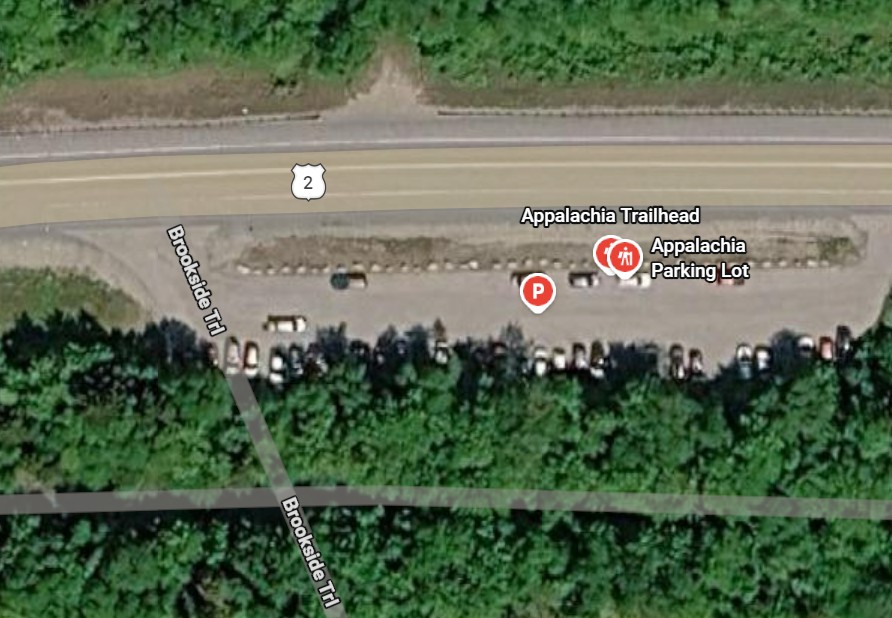
The frequently packed parking area at the base of the Northern Presidentials is called “Apple-LAY-cha” by those who live and work here. According to various sources, early pathmaker William Peek observed young boys who had eaten numerous green apples growing nearby and jokingly asked them if they were suffering from “Apple-ACHE-i-a”, hence the name of the trailhead.
For that smooth and soft pronunciation, let’s give the last word to friends from the southern US:
@realappalachia
That’s the rogue’s gallery, for now. Hopefully someone learned a little and at least got a smile. And, yes, I know I’m biased – I live in a certain place and I talk like my neighbors do – so do you, most likely. Here’s a reminder to be kind if a hiker mangles, say, Chemin des Dames: They mean well and, hey, that gulf and the wild and spectacular mountains around it have existed long before us.
Further Reading, and Acknowledgements
- Moosilauke Books, The Moosilaukee Reader and more
- Cow Teats and How to say “Calais” Vermont Public reflection on the 1998 US Senate Primary
- US Board of Geographic Names
- The Willey Family Tragedy Applalachian Mountain Club
- Indigenous New Hampshire Story Map
- Becky Fullerton, AMC archivist
- David Govatski
- Steve Smith
- Mike Cherim
- Ken MacGray
- Forrest Chess, The Mountain Wanderer Map and Book Store, Lincoln NH
- Veritasium producer of science education video content
- Randolph Paths: Guide to the Northern Presidentials and the Crescent Range